

Last updated: August 18, 2026 · 8-minute read
Using a vibrator for the first time is not a test of your body, confidence or experience. There is no result you need to produce and no timeline you need to follow. The purpose of a first session is simply to learn: how the controls work, which level feels comfortable, and whether you want to continue.
This guide offers a calm, step-by-step way to begin. It is intentionally practical and non-performative, because curiosity is easier when pressure leaves the room.
In this guide
Before you begin: read the product, not just the mood
Even simple devices differ in their intended use, charging method, water-resistance and cleaning requirements. Before the first use, read the complete manufacturer instructions. Confirm:
- where the product is intended to be used;
- whether it is waterproof, water-resistant or neither;
- how to charge it and how long the first charge requires;
- how to turn it on, change intensity and turn it off;
- which lubricants and cleaning methods are compatible;
- whether any travel lock needs to be disabled.
If a listing or manual does not clearly identify intended use, do not improvise. Contact the seller or manufacturer first.
Step 1: charge, inspect and clean it
Charge the vibrator fully using the supplied or specified cable. Inspect the surface for damage, sharp seams, cracks, loose parts or changes in texture. Do not use a damaged product.
Clean it before first use, even when it arrives in sealed packaging. Planned Parenthood recommends cleaning sex toys before and after use and following the instructions supplied with the product. Because electrical construction and materials vary, the manual—not a generic internet shortcut—should decide whether the product can be rinsed, wiped or immersed.
If you need a care routine, save our material-safe cleaning and storage guide for later.
Step 2: learn the controls with the product in your hand
Turn the vibrator on before bringing it near your body. Move through the settings while holding it in your palm. Notice:
- which button controls power;
- whether a short or long press turns it off;
- how intensity changes;
- whether patterns and strength are controlled separately;
- how much sound each level creates.
This small rehearsal removes the need to solve the interface in the middle of a new experience. A peer-reviewed best-practice paper recommends options with adjustable speed or intensity because they let users explore and identify personal preferences.
Step 3: choose a private, unrushed moment
Your setting does not need candles, a perfect playlist or a carefully staged bedroom. It only needs enough privacy and time that you will not feel watched by the clock.
Reduce obvious interruptions. Silence notifications, place water nearby if you want it, and keep the product’s off button easy to reach. If you share a home and noise worries you, test the sound under a blanket or through a layer of clothing before you begin.
Think of the moment as information gathering, not a performance. You are allowed to stop after thirty seconds, change your mind or try again another day.
Step 4: begin externally and at the lowest setting
For a first experience, external touch gives you the easiest way to adjust distance, pressure and placement. Start with the lowest setting. You can hold the product over clothing or let your hand absorb some of the vibration if direct contact feels too intense.
Move slowly and notice the difference between:
- direct and indirect contact;
- light and firmer pressure;
- a focused tip and a broader side surface;
- steady vibration and a pattern;
- holding still and moving gradually.
There is no required place to begin and no universal technique. Let comfort—not a tutorial’s promised outcome—decide what you repeat.
Step 5: change one variable at a time
If you change intensity, pressure, position and pattern all at once, it becomes difficult to tell what actually felt better. Instead, keep everything else steady while changing one variable.
For example:
- Stay on the lowest intensity for a minute.
- Adjust the angle or contact area.
- If you want more sensation, increase by one level.
- Pause and notice whether your body relaxes or tenses.
- Return to a lower setting whenever you prefer.
A higher setting is not progress. The setting that lets you remain present and comfortable is the useful one.
Step 6: use lubricant only when it supports comfort
Lubricant can reduce friction and make touch more comfortable. Planned Parenthood notes that lubricant can help lower friction. Compatibility matters, however: some lubricant ingredients may not be recommended for certain product materials.
Check the manufacturer’s instructions before pairing a lubricant with your vibrator. When in doubt, use a small amount of a product the manufacturer explicitly lists as compatible. Do not apply lubricant to charging contacts, buttons or openings unless the instructions say the area is sealed for that use.
Step 7: if you choose internal use, confirm the design first
Only use a vibrator internally if the manufacturer specifically designed and documented it for that purpose. A compact external vibrator should not be inserted simply because it is small. For anal use, a product must be specifically designed for it and have a secure flared base or retrieval feature.
Begin with external familiarity first, use plenty of compatible lubricant, move slowly and stop with pain. Never move a product from the anus to the vagina without changing a barrier and cleaning it appropriately.
Step 8: know when to pause
Strong or prolonged vibration can temporarily reduce sensitivity. If you notice numbness, discomfort, irritation or a feeling that you need to tolerate the sensation, switch the product off and take a break.
Stop using it and seek medical guidance if you experience persistent pain, bleeding, ongoing numbness, unusual discharge or an allergic reaction. A vibrator should not be used to push through pain or to self-treat a health condition without professional advice.
Step 9: finish with care, not urgency
There is no required ending. You can stop when you feel satisfied, curious, neutral or simply done. Afterward:
- Turn the product off completely.
- Clean it according to its material and water-resistance instructions.
- Let it dry fully before storing.
- Store it separately in a clean, dry pouch.
- Notice one thing you liked and one thing you may change next time.
That last step is the beginning of self-knowledge. It turns the experience from a pass-or-fail event into an evolving personal ritual.
If the first time feels underwhelming
That is normal. New controls, anticipation and self-consciousness can all make it harder to notice what you feel. A product may also be a poor match for your preferred contact area, grip or intensity.
Try a shorter session, a lower setting, indirect contact or a different time of day. If the product itself feels wrong, revisit our comfort-first vibrator selection guide. Preference is not failure; it is information.
A gentle starting point from our collection
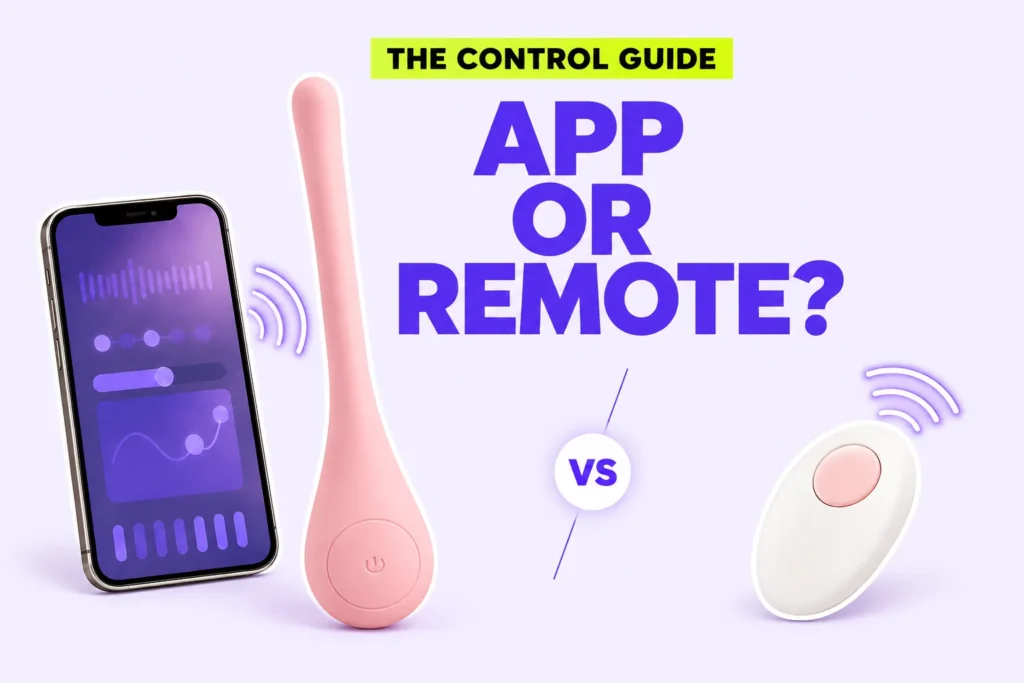
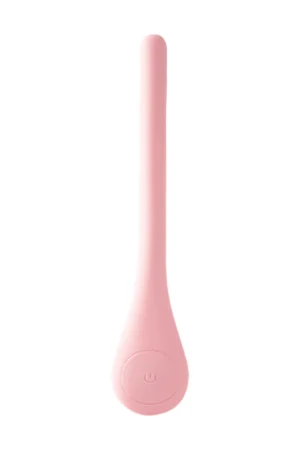
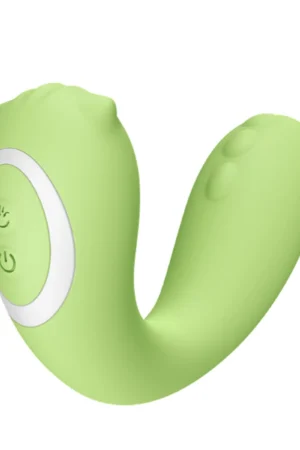
If you value a slim, bendable format and app-based control, you can review the current specifications for the SERA app-controlled bendable personal massager. If wearable use is closer to your priorities, compare it with the Little Monster wearable personal massager.
Neither format is right for everyone. Read the complete product instructions and choose based on your own comfort, intended use and care preferences. You may also explore the full collection.
Frequently asked questions
How long should I use a vibrator the first time?
There is no required duration. Begin briefly, pause to check comfort and stop whenever you want. Comfort matters more than reaching a time target.
Should I start with the lowest setting?
Yes. Starting low gives you more room to notice the product’s contact area and gradually increase intensity. You can always move up one level; you do not need to stay at a stronger setting.
Can I use a vibrator over clothing?
Yes, for external exploration, a layer of clothing can soften sensation and make the first experience feel less intense. Keep the fabric smooth and stop if friction becomes uncomfortable.
Do I need to reach orgasm?
No. A first session can simply teach you how the product feels and which settings you prefer. There is no outcome you owe yourself or anyone else.
Can I share a vibrator?
Sharing can transfer infections if hygiene precautions are not followed. Public-health guidance recommends cleaning between users and using a new condom or barrier each time a product is shared or moved between body areas. Follow the manufacturer’s cleaning instructions.
A note on wellbeing: This article provides general educational information, not medical advice. Stop if you experience pain, bleeding, persistent irritation or numbness, and consult a qualified healthcare professional if symptoms continue. Always follow the product manufacturer’s instructions.
Sources
- Herbenick D, et al. Genital vibration for sexual function and enhancement: best practice recommendations for choosing and safely using a vibrator. Sexual and Relationship Therapy.
- Planned Parenthood. Masturbation: safety, lubricant and sex-toy care information.
- NHS. Sex activities and risk: sex-toy hygiene.

Comments (2)