

Last updated: August 28, 2026 · 9-minute read
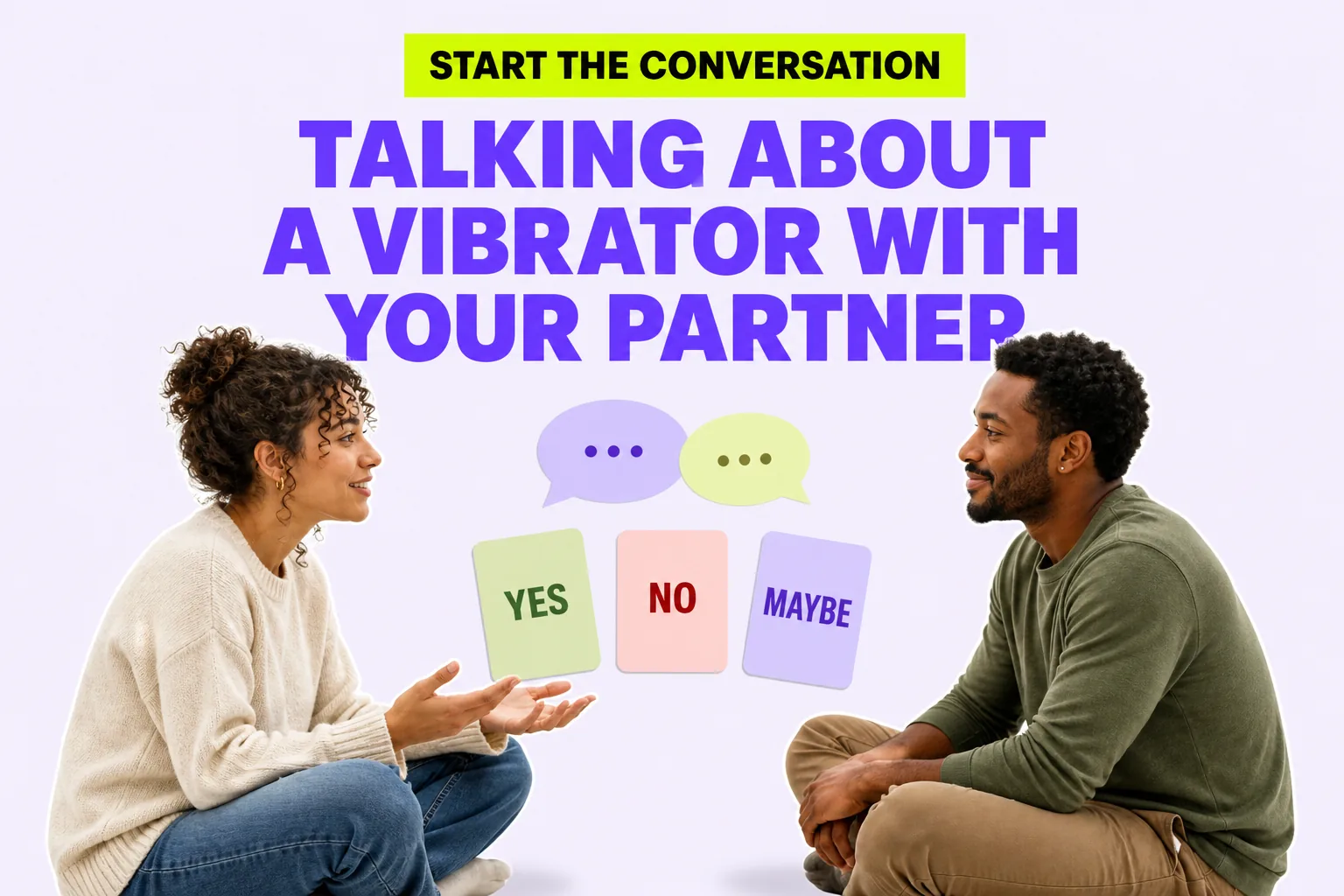
You can be completely comfortable with the idea of using a vibrator and still freeze when it is time to say it out loud. What if your partner hears criticism? What if they think they are being replaced? What if a simple idea suddenly becomes a referendum on your entire sex life?
The conversation feels awkward because the device can carry more meaning than it deserves. The way through is not a perfect speech. It is a calm invitation, a real question, and enough room for both people to answer honestly.
In this guide
Why this conversation can feel bigger than the vibrator
For one person, a vibrator may mean curiosity, stronger stimulation, or simply something fun to share. For the other, it may sound like: “You are not enough.” Neither interpretation has to become the truth, but both deserve to be heard.
Research on couples’ sexual communication offers a useful clue. A meta-analysis covering 93 studies found positive associations between sexual communication and both relationship and sexual satisfaction. Communication quality mattered more than simply talking more often. The study does not prove that one conversation creates satisfaction, but it supports what many couples learn in practice: honesty works better when it also feels safe and respectful.
So this is not a sales pitch. Your job is not to win. Your job is to make your interest understandable and discover whether there is a version of the idea that feels good to both of you.
Before you talk, know what you are actually asking
“I want to use a vibrator together” can mean several different things. Get specific with yourself first:
- Are you sharing something you already enjoy on your own?
- Do you want to choose a product together?
- Would you rather keep control, or are you curious about your partner controlling it?
- Are you looking for a particular sensation, more variety, easier orgasm, or simply something new?
- What would help you feel comfortable enough to pause or change direction?
A clear invitation is easier to hear than a vague hint. It also keeps the conversation focused on what you want to explore instead of everything your partner might imagine they have done wrong.
How to bring it up without making it a performance review
Start outside the bedroom
Choose a moment when neither of you is already aroused, disappointed, rushing, or in conflict. A neutral setting gives your partner time to respond rather than perform the “right” reaction.
“There’s something I’ve been curious about trying together. Is now a good time to talk about it?”
Lead with what you want to add
Describe the experience you are interested in, not a list of what is missing.
“I really value what we already share, and I’ve been curious about bringing a vibrator into it. I think it could give us another way to explore together.”
If orgasm is part of the reason, say it without blame
“I’ve learned that steady stimulation helps my body reach orgasm more reliably. I’d like to show you what works for me and see whether using a vibrator together feels good for both of us.”
That is information about your body—not a score for your partner. If this is a concern you carry privately, our article on needing or preferring a vibrator for orgasm explains why a reliable preference is not the same as something being wrong.
Finish with a real question
“How does that idea feel to you? Is there anything about it that makes you curious or uncomfortable?”
Then listen. Silence is not consent, and an anxious “fine” is not the same as enthusiasm. The conversation works only when there is room for yes, no, maybe, and not yet.
What if your partner feels replaced?
Do not dismiss the feeling—but do not agree that your pleasure is an accusation. You can acknowledge the fear while clarifying the role of the device.
“I can understand why it might feel like a comparison. That isn’t what it means to me. The vibrator provides a sensation; it doesn’t replace the connection, attention, and trust I share with you.”
If your partner is unsure, ask what part feels difficult. Is it the device itself, not knowing what to do, losing control, being surprised, or worrying about performance? A specific concern is easier to discuss than a blanket argument.
If the answer is no, respect it. You can ask whether they would like to revisit the topic another time, but repeated pressure is not better communication. Consent can change in either direction, at any point.
If you both want to try it, make the first time simple
- Learn the controls first. Know how to lower the intensity, pause, and turn the device off before the moment begins.
- Let the receiving partner lead. They can keep the device in their own hand or guide the other person’s hand.
- Choose one simple role. You do not need to test every mode or position in one session.
- Use ordinary language. “Softer,” “stay there,” “move left,” and “pause” are more useful than expecting mind-reading.
- Check in afterward. Ask what felt good, what felt distracting, and what either person would change next time.
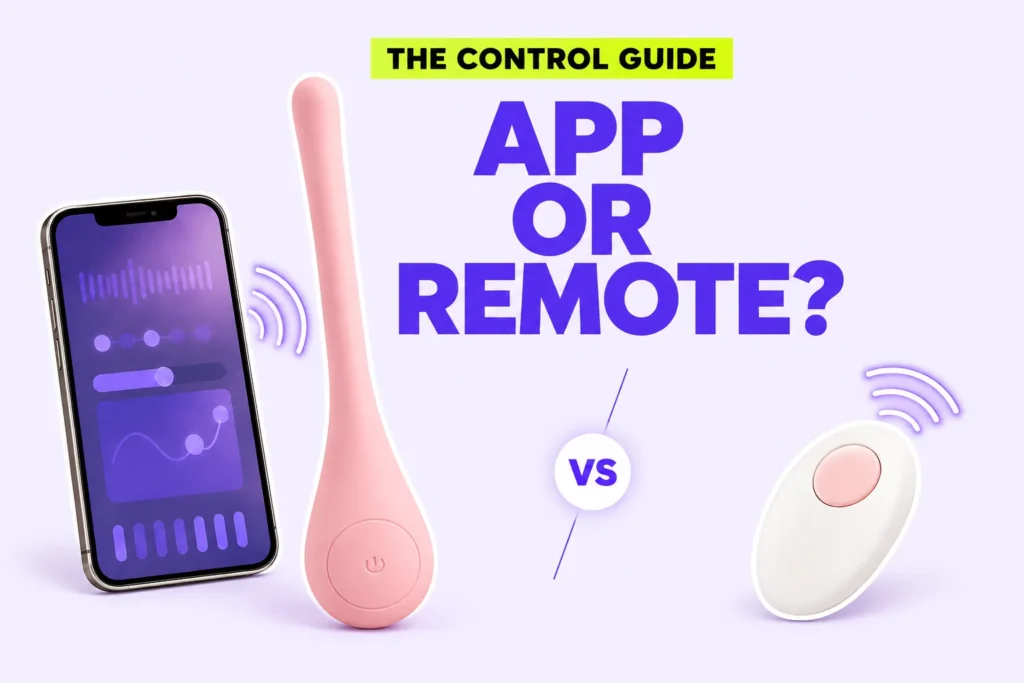
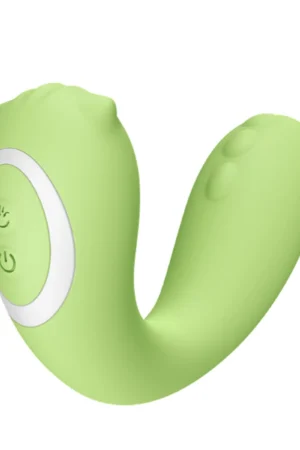
When you are ready to compare options, begin with our comfort-first guide to choosing a vibrator. App-controlled designs such as SERA and wearable options such as Little Monster can help you discuss who controls the settings and what kind of experience you want. Check the current product specifications and care instructions before deciding.
What if the conversation keeps going badly?
One awkward conversation is human. A repeated pattern of contempt, pressure, fear, or being unable to discuss sexual needs is a larger relationship issue—not something a product can solve.
You do not have to settle everything in one evening. A qualified couples counselor or certified sex therapist can offer a more structured place to talk when the subject repeatedly becomes painful or unsafe.
Frequently asked questions
Should I surprise my partner with a vibrator?
Usually, discussing the idea first is the lower-pressure choice. A surprise removes time to consider preferences, boundaries, and what role—if any—the device should have.
Do I need my partner’s permission to own one?
Your body and private self-exploration belong to you. Relationships can still have different agreements about privacy and disclosure, so address those expectations if secrecy or trust is the real concern.
What if they say yes but seem uncomfortable?
Slow down and ask again outside the moment. Consent should be freely given, not extracted from someone who fears disappointing you. “We do not have to do this” can make an honest answer easier.
Who should control the vibrator?
Start with the person receiving the sensation in control. Control can be shared or handed over later if both people actively want that. Agree on a clear way to pause before you begin.
A note on wellbeing: This article offers general educational information. Consent must be freely given, informed, specific, and reversible. Stop if anyone feels pain, pressure, fear, or discomfort, and follow the manufacturer’s use and cleaning instructions.
Sources
- Planned Parenthood. How do I talk to my partner about sex?
- Mallory AB. Dimensions of couples’ sexual communication, relationship satisfaction, and sexual satisfaction: a meta-analysis.
- Jones AC, et al. The role of sexual communication in couples’ sexual outcomes.
- Herbenick D, et al. Women’s vibrator use in sexual partnerships.

Comment (1)