


Last updated: August 28, 2026 · 8-minute read
If a vibrator is your most reliable route to orgasm, you may have wondered whether that “counts”—especially when movies, partners, and years of cultural messaging suggest orgasm should happen from penetration alone.
Here is the part worth saying clearly: needing or preferring a particular kind of stimulation does not make your body difficult. It means your body has given you useful information about what works. The question only changes when your response changes suddenly, causes distress, or comes with pain or loss of sensation.
In this guide
Why a vibrator may work when other stimulation does not
Penetration does not always create enough direct clitoral stimulation for orgasm. Mayo Clinic notes that many women need direct manual or oral clitoral stimulation, and that the type and amount of stimulation needed varies between people—and sometimes between experiences for the same person.
A vibrator offers something very specific: steady, repeatable stimulation without fatigue or guesswork. If that pattern matches the way your body responds, it may simply be the most efficient tool for the job.
That is not a verdict on your partner, your relationship, or your femininity. A device produces a physical sensation. It cannot replace attention, trust, affection, communication, or the feeling of being known by another person.
The more useful question than “Am I normal?”
“Normal” can become a trap because it asks you to compare a private body to an imagined average. A better question is: Has this always been the way my body responds, and does it work for me?
If a vibrator has long been your easiest or only route to orgasm and the experience feels comfortable, that may be a stable preference. If you can orgasm in several ways but choose a vibrator because it is reliable, convenience is a valid preference too.
The situation deserves a different kind of attention when orgasm or sensation changes suddenly, the experience becomes distressing, or you notice pain, numbness, irritation, bleeding, or another symptom. Clinical concern is not defined by failing to match someone else’s script; distress and change matter.
Preference is not the same as dependence
Sometimes the real problem is not the vibrator. It is the rule that says an orgasm only counts if it happens through penetration or a partner’s touch.
You do not have to prove you can orgasm a different way. You do not have to remove the method that works in order to make another person feel accomplished. And you have not failed at intimacy because your body prefers a kind of stimulation a hand cannot reproduce exactly.
If you are worried about a new change in sensation rather than a long-standing preference, read what the evidence says about vibrator sensitivity. The distinction between temporary sensation changes and persistent symptoms is important.
Want more variety? Keep the vibrator in the room
You can explore other sensations without turning “no vibrator” into a pass-or-fail challenge. Curiosity works better when orgasm is not the deadline.
- Start with pleasure, not proof. Notice what feels good before asking whether it will lead anywhere.
- Change one thing at a time. Try a lower setting, indirect placement, a different rhythm, or a pause.
- Keep the familiar option available. Begin with touch and add the vibrator later—or reverse the order.
- Describe sensation clearly. “A little slower,” “more pressure,” or “slightly to the left” gives a partner something useful to work with.
- Stop when your body asks. Discomfort is information, not an obstacle to push through.
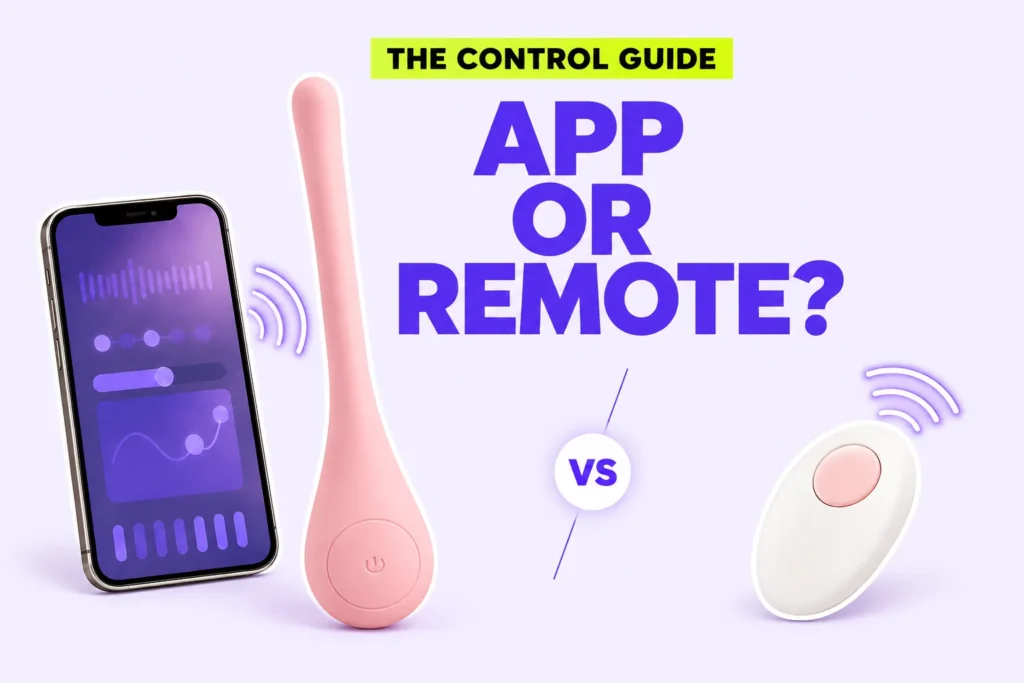
If you are comparing shapes or controls, use our comfort-first vibrator selection guide. The best choice is the one that lets you adjust the experience without making you feel managed by the product.
A vibrator can belong in partnered pleasure too
Partnered sex does not need to imitate solo sex, but it can learn from it. You already know something valuable about your body. Sharing that information can make intimacy more collaborative—not less.
You might keep control of the device, invite your partner to hold it, use it before penetration, or make it one part of a longer experience. There is no correct choreography. What matters is that everyone freely agrees, can pause at any time, and feels able to say what is and is not working.
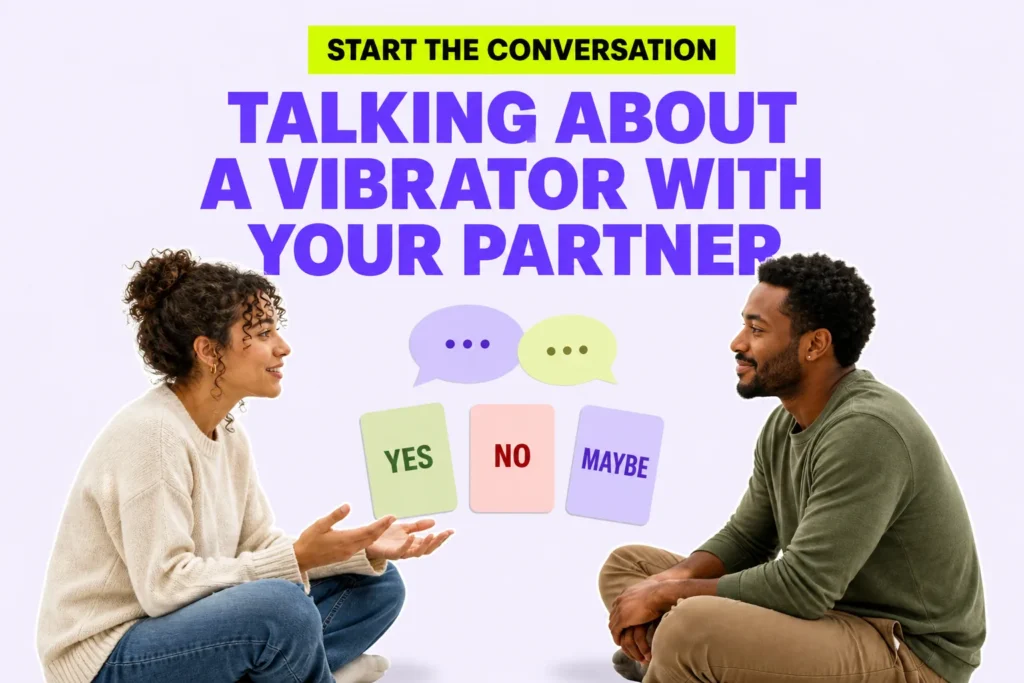
If the subject feels emotionally loaded, our guide to bringing the idea into a partner conversation includes exact language you can adapt without turning the moment into a performance review.
When it is worth talking with a healthcare professional
Seek individual guidance if you experience a sudden or persistent change in orgasm, new loss of sensation, pain, bleeding, irritation, or a change that began after starting a medication. Hormonal changes, health conditions, pelvic pain, stress, past experiences, and relationship factors can all play a role.
You also deserve support if the experience causes significant distress—even when there is no obvious physical symptom. A qualified healthcare professional or certified sex therapist can help you look at the whole picture without treating pleasure like a pass-or-fail test.
Frequently asked questions
Does needing a vibrator mean I have desensitized myself?
No. A consistent preference does not by itself demonstrate desensitization. A new, persistent loss of sensation is different and should be assessed on its own.
Should I train myself to orgasm without one?
Only explore other sensations if you genuinely want to. There is no universal requirement to stop using a method that is comfortable and satisfying. Exploration should expand your choices, not become another form of pressure.
Is an orgasm with a vibrator less “real”?
No. The tool that helped create the stimulation does not make the physical experience less valid. Your orgasm does not need to arrive through a culturally preferred route to count.
What if my partner feels replaced?
Reassure them without apologizing for your body. Explain that the vibrator provides a sensation, while partnered intimacy includes connection, attention, and shared choice. Then ask what the idea brings up for them.
A note on wellbeing: This article offers general education, not medical advice. A new or persistent change in orgasm, sensation, or comfort deserves qualified care, especially when it appears with pain, bleeding, irritation, or medication changes.
Sources
- Mayo Clinic. Anorgasmia in women: symptoms and causes.
- Mayo Clinic. Anorgasmia: diagnosis and treatment.
- MedlinePlus. Orgasmic dysfunction in women.
- Herbenick D, et al. Prevalence and characteristics of vibrator use by women in the United States. The Journal of Sexual Medicine.
Comment (1)